Nonprofits thrive when equipped with one powerful resource: people. Not just staff with technical skills, but deeply committed individuals—change-makers—who bring passion, resilience, and community insight to the work of social transformation. Supporting these leaders with accessible, high-quality education doesn’t just enable their success today. It shapes the entire talent pipeline for tomorrow’s nonprofit ecosystem.
Education is the bridge between intention and impact. It transforms ideas into strategy, and strategy into scalable, accountable action. But access to that bridge remains uneven.
Why the Future of NGOs Depends on Talent
The next generation of nonprofit leaders will need to navigate a dramatically different landscape. Climate disruptions, geopolitical shifts, AI technology, and funding model upheavals are reshaping civil society. According to the Stanford Social Innovation Review (2024), 74% of NGO executives believe their organizations must fundamentally change how they recruit and develop talent within the next five years.
The demand is clear:
- Digital-first communications and fundraising strategies
- Multilingual, cross-cultural community engagement
- Advanced monitoring and evaluation frameworks
- Agile leadership in high-uncertainty contexts
All of these rely on one thing—people who are ready and equipped.
Today’s Education Creates Tomorrow’s Talent
Accessible education isn’t a side project—it’s the root system for long-term capacity. When you train a change-maker, you’re not just supporting an individual. You’re building an organizational future. That individual becomes a staff member, a board member, a policymaker, or a mentor to the next wave.
A 2023 study by McKinsey & Company found that nonprofits investing in structured talent development reported a 37% increase in staff retention and a 29% improvement in community partnership strength.
These effects multiply over time. Consider VCS Academy’s open education initiative, which launched digital governance and compliance courses in 2023. Within a year, over 11,000 participants from 38 countries joined. Over 60% of those who completed the programs later trained others in their networks, creating ripple effects across entire regions.
Addressing the Talent Bottleneck
Many grassroots organizations—and particularly those led by underrepresented groups—face deep constraints in building leadership capacity. Training programs are too expensive, too centralized, or too technical.
The Open Society Foundations (2022) highlighted that less than 12% of international capacity-building funding reached local, community-based organizations. This shortfall creates a bottleneck where talent exists but isn’t nurtured.
Solving this means investing in education models that are:
- Localized – Context-specific, language-accessible, and culturally aligned
- Flexible – Designed for asynchronous learning across time zones and bandwidth levels
- Credentialed – Offering certificates that are recognized by funders and employers
Case Study: How Accessible Education Grew a Movement
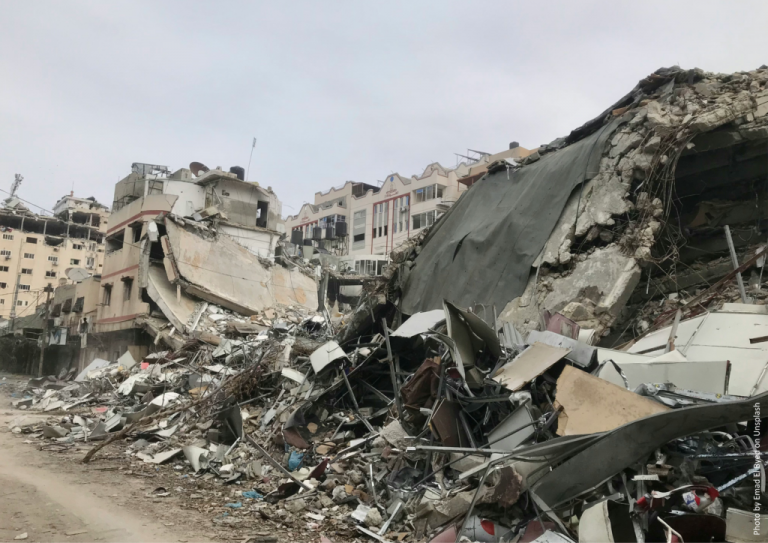
Heal Palestine partnered with regional trainers in 2023 to create community-led education circles in Gaza and the West Bank. Using a blended approach (offline handbooks, mobile-friendly videos, and WhatsApp-based mentoring), they trained over 1,200 local health and social workers.
Today, many of these graduates have taken leadership roles in community clinics, advocacy campaigns, and local NGOs. What began as training became institutional resilience.
The Generational Investment We’re Overlooking
If nonprofits continue underfunding talent development, the sector faces a critical gap. BoardSource estimates that 61% of nonprofit leaders plan to leave their roles by 2026. Without trained successors, the risk to continuity is massive.
Worse, when leadership transitions without local preparation, it perpetuates top-down models and weakens organizational memory. Investing in future leaders today helps:
- Avoid donor flight during leadership changes
- Retain knowledge and community relationships
- Create more equitable, localized leadership structures
From Trainees to Trainers: The Talent Flywheel
One of the most overlooked impacts of accessible education is the “train-the-trainer” effect. When you teach someone effectively, they pass it on. Programs like Acumen Academy and the African Visionary Fund structure their fellowships with this in mind—equipping leaders to return to their communities as educators themselves.
This approach builds internal capacity and reduces reliance on external consultants. It also cultivates a sense of ownership and pride, turning education into culture.
Funders and Institutions: Time to Prioritize
If we’re serious about systems change, we must be serious about who leads it. The Center for Effective Philanthropy (2024) reports that only 14% of philanthropic funding explicitly supports talent development.
That number must change.
Funders should:
- Include leadership and skill-building in every grant
- Fund local institutions and learning hubs—not just overseas consultants
- Support infrastructure for learning: tech, stipends, translation
NGOs must also do their part. Building a training-first culture requires embedding it into onboarding, promotion, evaluation, and retention. Education should not be a luxury for directors—it should be a right at every level.
Conclusion: Building Talent Is Building the Future
Supporting change-makers with education is more than a strategy. It’s a commitment to the long game. It means believing that the next visionary, the next program director, the next human rights lawyer or health innovator is already here—waiting for the tools to lead.
Accessible education creates that bridge. And on the other side? A generation of skilled, informed, and community-rooted leaders who won’t just respond to the world’s problems. They’ll redefine what’s possible.
References
- Stanford Social Innovation Review (2024). Leadership Transitions and Future Talent
- McKinsey & Company (2023). Nonprofit Leadership and Training Investments
- Open Society Foundations (2022). Civil Society Capacity Report
- BoardSource (2023). Talent Retention and Succession Planning
- Center for Effective Philanthropy (2024). State of Philanthropy and Capacity Funding
- VCS Academy (2023). Open Access Learning Impact Report
- African Visionary Fund (2023). Building Local Leadership Through Training