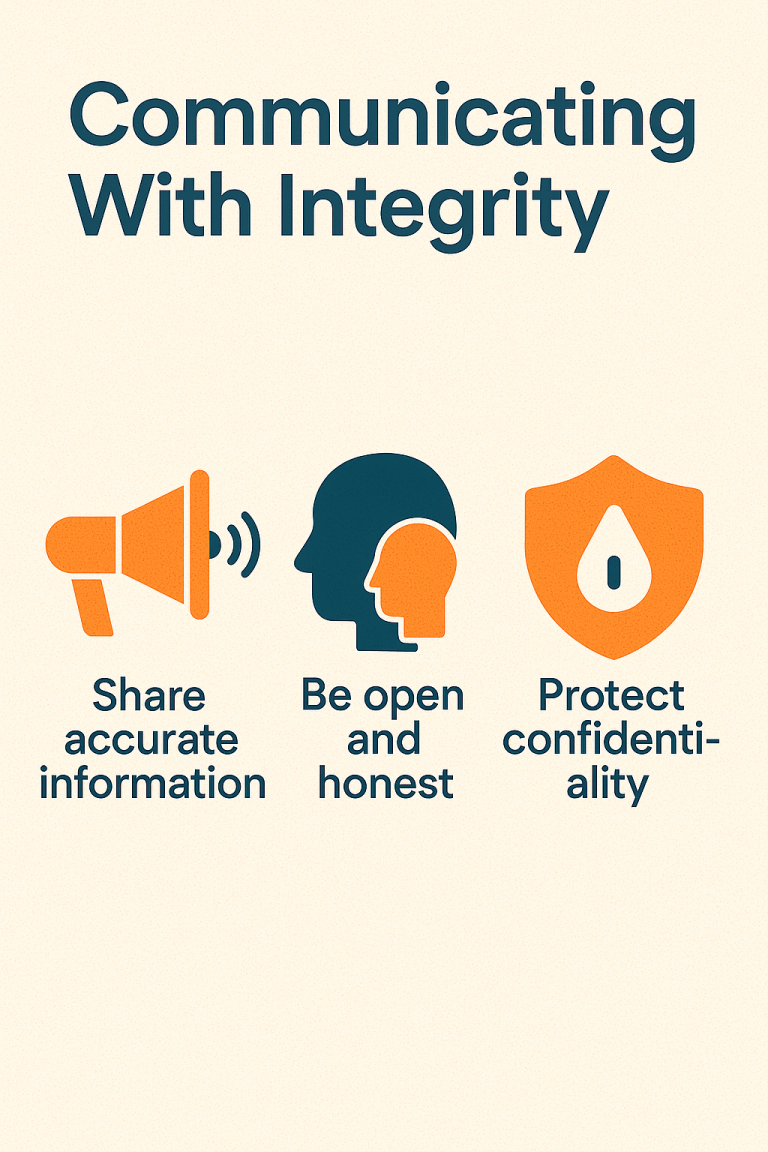
There’s a common misconception in the nonprofit world that once a donor gives, your main goal should be to secure the next donation. But that mindset misses the point. Donors aren’t ATMs—they’re allies, stakeholders, and often, deeply committed members of your mission-driven community. How you communicate with them makes all the difference.
Good donor communication isn’t about flashy language or over-polished reports. It’s about clarity, authenticity, consistency, and respect. If donors feel informed, included, and appreciated, they’re far more likely to stick around—and to become long-term partners.
1. Understand Who Your Donors Are
Before you say a word, know your audience. Donors aren’t a monolith. Some give small monthly gifts because your mission resonates deeply. Others provide major grants through institutional programs. Each group has different expectations, interests, and levels of engagement.
Use segmentation in your communications. A grassroots donor who gives $10 a month might appreciate impact stories and volunteer updates. A foundation grant officer may expect formal reports, financials, and strategic outcomes. Respecting those differences shows you’re paying attention.
2. Lead with Transparency
Donors want to know where their money goes. Being transparent—especially about the tough parts—builds trust. That includes sharing how funds are used, what challenges you’re facing, and how you’re adapting.
Annual reports, budget breakdowns, and program evaluations are essential tools. But so are informal updates. Regular newsletters, blog posts, or even short videos from the field can offer valuable insight into your work. Organizations like Habitat for Humanity and PCRF have mastered this blend of formal and informal transparency to great effect.
3. Make It Personal
People give to people, not programs. If a donor hears from you only through mass emails or year-end appeals, it’s easy to feel like a transaction. Personal notes, phone calls, or even a shout-out on social media can go a long way.
When you have something specific to share—a child helped, a clinic built, a crisis responded to—link it back to the donor’s impact. Make them feel like an insider, not just an outsider supporting your work.
4. Communicate Year-Round, Not Just During Campaigns
If your only communication with donors happens when you’re asking for money, you’re missing a major opportunity. Keep the relationship warm all year long. Celebrate wins. Share challenges. Send holiday cards or updates “just because.”
Regular, mission-aligned communication keeps donors engaged and reminds them why they support your work in the first place. It also lays the groundwork for larger asks when the time comes.
5. Use Multiple Channels—But Stay Consistent
Not every donor checks email. Some prefer physical mail, while others follow your Instagram stories religiously. Use a mix of channels—email, social media, direct mail, events—but make sure your messaging is consistent across all of them.
A donor who reads your year-end letter should feel the same spirit and clarity as the one who watches your latest fundraising reel on YouTube.
6. Invite Feedback and Listen Actively
Two-way communication is key. Don’t just talk—ask. Invite donors to share their thoughts, feedback, and even concerns. Conduct short surveys, host online Q&As, or create a donor advisory group.
Then act on what you hear. If donors feel their voices shape your work, they’ll be more deeply invested.
7. Say Thank You—Often and Meaningfully
It’s simple but often neglected: say thank you. Say it quickly, say it personally, and say it often. A generic receipt email is a start—but follow up with a hand-signed letter, a personal note from a beneficiary, or a video thank you from your team.
Thanking donors isn’t just polite—it’s strategic. It’s a key part of donor retention, and studies show that timely, meaningful thank-yous significantly increase future giving.
8. Show Impact, Not Just Activity
Donors don’t want a list of what you did. They want to know what changed because you did it. Frame your updates around outcomes. Use metrics, but also stories. Combine heart and data.
Instead of saying “We distributed 1,000 food kits,” say “1,000 families had food on the table this week thanks to your generosity.” It’s a subtle but powerful shift.
9. Be Honest About Mistakes and Change
If something doesn’t go as planned—own it. Donors appreciate honesty. It shows maturity and builds credibility. If you’re pivoting programs, rethinking your strategy, or experiencing setbacks, communicate openly and explain your rationale.
VCS Academy, for instance, openly shares our legal department’s restructuring in response to a complex case. That transparency turned a potential concern into a credibility boost.
10. Remember: It’s a Relationship, Not a Transaction
At the end of the day, donor communication is relationship building. Like any good relationship, it requires listening, caring, being honest, and showing up consistently. It means valuing people not just for their wallets, but for their hearts, hopes, and investment in a better world.
Get it right, and your donors won’t just give. They’ll champion your cause, amplify your voice, and walk alongside your mission for years to come.
References
- Giving USA Foundation (2023). Donor Retention Trends Report
- Global Giving (2023). How to Engage Donors with Impact Stories
- VCS Academy (2024). Donor Communications Best Practices Brief
- Bridgespan Group (2023). Relationship-Driven Fundraising
- Nonprofit Tech for Good (2024). Multi-Channel Fundraising Benchmarks